AI is no longer just powering your phone or social media feed. It is now helping New Zealand save birds you can’t find anywhere else on Earth. This tiny country is rolling out some big ideas to protect its most fragile wildlife, using artificial intelligence and genetic science to take on a deadly threat.
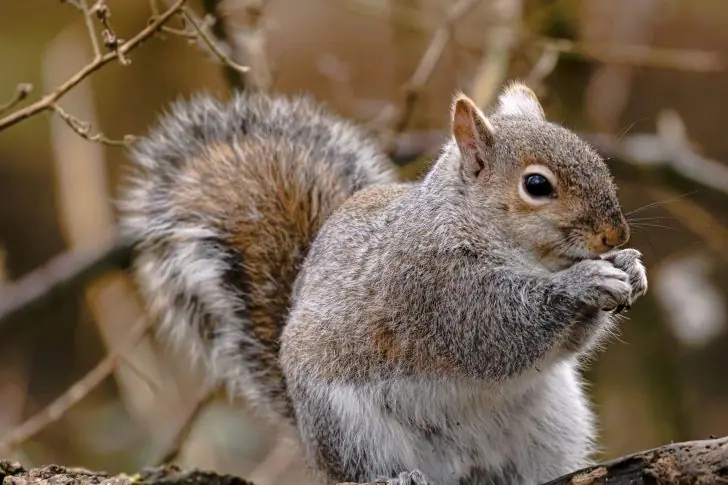
The targets are stoats, rats, and possums – non-native predators that now kill millions of birds each year. The mission is to wipe them out entirely by 2050. It is called Predator Free 2050, and it is one of the boldest conservation efforts in the world.
These systems use machine learning to recognize specific animals. If it spots a stoat, the trap gets triggered. And if it sees a native bird, it does nothing.
This level of precision results in fewer accidents and more effective control. No more bycatch. No more guesswork. The data collected also helps scientists track where pests are moving and how fast they are spreading.
Gene Science Is Also Stepping in
Alongside AI, genetic research is offering even deeper tools. Scientists are exploring ways to develop species-specific poisons or even engineer pests so they can’t reproduce. Imagine a line of rats that produce only male offspring, or possums that become infertile after a few generations.
These gene-based methods could mean fewer traps, fewer toxins, and a cleaner way to deal with pests. But they are still in testing. No one wants to mess with nature carelessly, so every step is being watched carefully. Still, the promise is real, and progress is moving fast.
The Root of the Problem
New Zealand’s birds are in trouble because the land evolved without mammal predators. For millions of years, flightless birds like the kiwi had no reason to fear the ground. Then humans arrived, bringing stoats, rats, and possums. The result? A massacre.
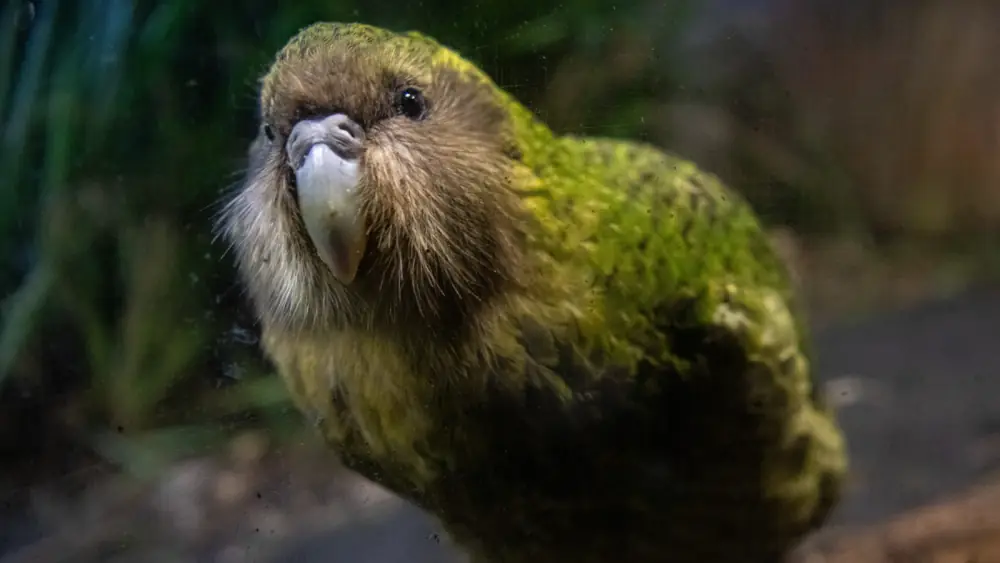
These invasive animals raid nests, eat chicks, and wipe out entire populations. Some birds are already gone. Others, like the kākāpō, are barely hanging on. Every year, it is estimated that 25 million native birds are killed.
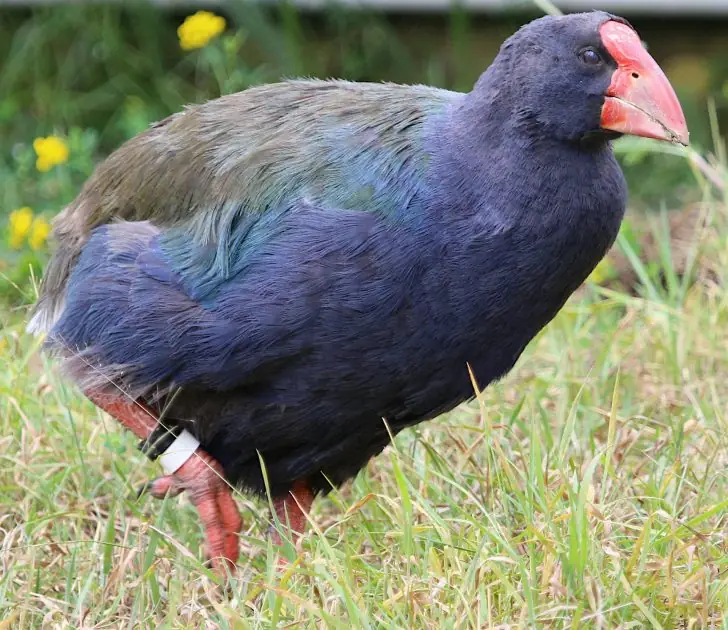
Some call it an “environmental moonshot,” and they are not wrong. The challenge is massive. But without bold action, the country risks losing the very birds that make it unique. From the haunting call of the kōkako to the goofy, night-wandering kiwi, these species exist nowhere else.
However, killing millions of animals, even invasive ones, comes with serious ethical baggage. Is it right? Is it humane? Conservationists in New Zealand are wrestling with that every day.
Most agree that doing nothing is worse. As one project leader put it, “If we don’t act, we are letting our native species die by default.” Still, there is pressure to keep the methods as humane and precise as possible. That is where tech like AI and gene editing becomes necessary.
Even with smart tools, the scale is hard to manage. New Zealand is over 100,000 square miles of mountains, forests, farms, and cities. Eradicating predators everywhere, not just in fenced-off sanctuaries, might be impossible by 2050. Some experts think a better goal is targeting the worst-hit areas first.