Waste is everywhere. Be it on farms, in toilets, or in factories, it is ubiquitous. America churns out 200 million tons of organic waste every year. Most of it gets dumped into landfills or burned, sending methane and CO₂ straight into the air. That is bad news for the planet.
But what if we stopped treating waste like trash and started treating it like carbon? That is exactly what Vaulted Deep is doing. This tech startup, backed by Microsoft, has a wild yet brilliant idea: pump sewage and manure deep underground, lock the carbon in rock, and forget about it forever.
Down there, it doesn’t break down like it would in a landfill or on farmland. No rot, no stink, no methane.
Once underground, the carbon in that waste starts to mineralize. It turns solid and stays put for over 1,000 years. And because the waste never touches surface water or air, there’s zero risk of polluting rivers or poisoning groundwater.
Landfills Are the Past, Deep Storage Is the Future
Let’s be real. Landfills stink, leak, and pollute. Incineration is not much better. It just shifts the problem into smoke. Even spreading waste on fields, while cheaper, causes runoff and odor. Vaulted Deep’s system avoids all that by doing something simple but smart: remove the waste from the surface entirely.
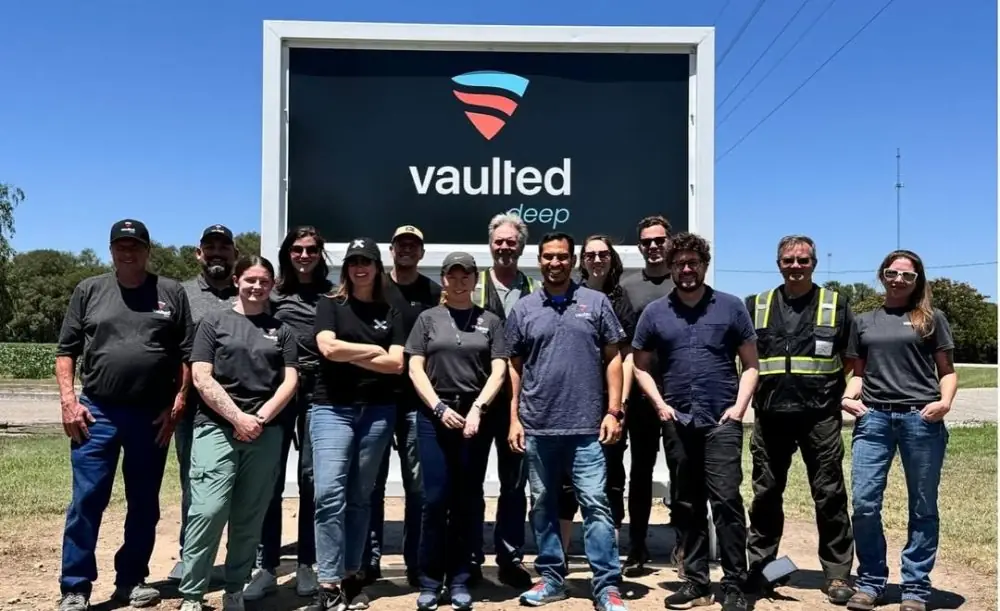
And it works. Their Kansas site is proof. Instead of just solving an emissions issue, the facility also gave the local economy a boost. It created 18 full-time jobs and $5 million in economic activity. That is an impact you can see on the ground, not just in spreadsheets.
Microsoft’s Waste Bet Is a Big One
Tech giants love big ideas. Microsoft is betting $1.7 billion over 12 years on Vaulted Deep’s approach. AI burns a lot of energy, and Microsoft needs serious carbon offsets. Vaulted Deep offers a low-risk, high-reward way to do that.
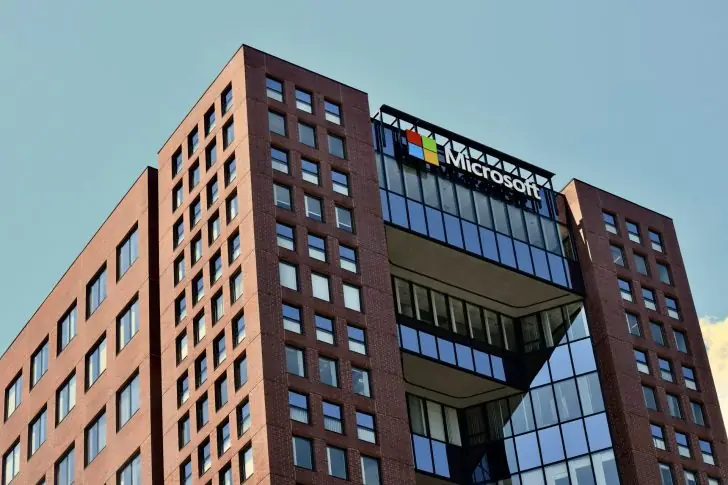
It also gives Vaulted Deep the money and credibility it needs to scale up. With Microsoft’s seal of approval, other corporations are paying attention.
Trust but verify. Vaulted Deep’s system is certified. A third-party carbon registry called Isometric monitors and validates everything. The company does site-specific geology checks to make sure the rock can hold the carbon. Then, they watch it constantly through subsurface sensors.
However, this is not some “out of sight, out of mind” trick. It is engineered to last. And it is not just about carbon. By helping farmers deal with excess manure, Vaulted Deep also helps stop nutrient runoff, which is a major cause of algae blooms and fish die-offs in lakes and rivers.
Right now, the process costs about $350 per ton of carbon stored. That is more than reforestation or biochar. But it is also more permanent. Forests can burn. Crops can fail. Vaulted Deep’s waste stays put, locked in stone.
The goal is to drive that price down as they scale up. And they will need to move fast. There is more than enough waste to work with, but infrastructure takes time. Still, with corporate money flowing and regulations starting to support carbon removal, the path is open.